An experimental peptide explored for cognition, brain health and age-related neurological change. Current evidence is mainly preclinical.
Oxidative stressLearning and memoryGene regulation
A defined sequence with an almost entirely preclinical evidence basePinealon has peer-reviewed cell and animal studies, but no modern controlled human treatment programme has established cognitive benefit, dose, route, pharmacokinetics or long-term safety.
Explore Pinealon
WHY PEOPLE ARE INTERESTED
What makes Pinealon scientifically interesting?
Pinealon is small enough to define precisely—three amino acids, EDR. Research connects it with oxidative-stress responses and neural models, while human memory, sleep and longevity claims remain untested.
Start with the big picture
These cards show what Pinealon is best known for and where the interest comes from. When you want the detail, open Research for the studies or Evidence for a quick view of how strong the support is.
Oxidative stressLearning and memoryGene regulation
The main reasons this compound attracts attention. The Research and Evidence sections give you the deeper scientific picture.
Oxidative-stress resilience
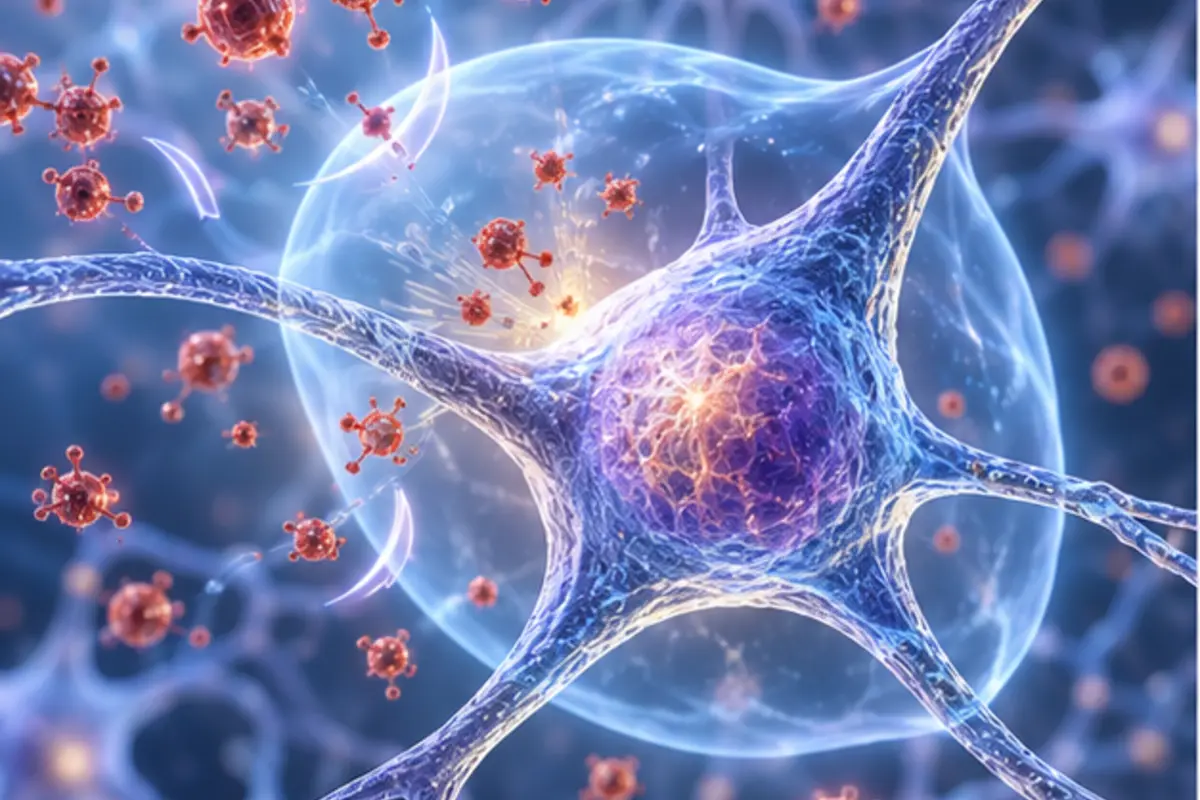
Cell studies report lower reactive-oxygen accumulation and less necrotic death under experimental stress.
WHAT THE RESEARCH SAYS
These findings come from cell systems and do not establish neuroprotection in a person.
Evidence so farCellular evidence
Learning and memory models
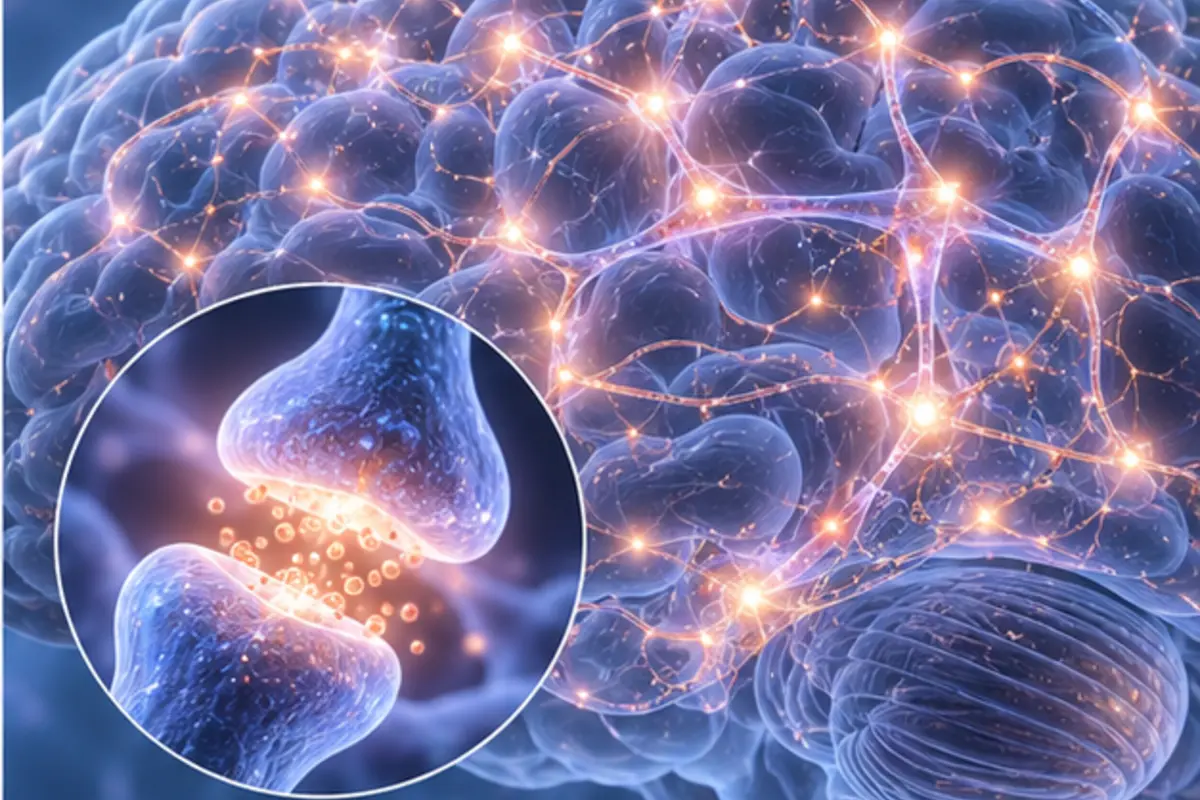
Rat studies have examined cognition after prenatal hyperhomocysteinaemia, hypoxia, hypothermia and diabetes.
WHAT THE RESEARCH SAYS
Positive behavioural signals are useful for hypothesis-building but remain several translation steps from human cognitive benefit.
Evidence so farAnimal evidence
Gene-expression hypothesis
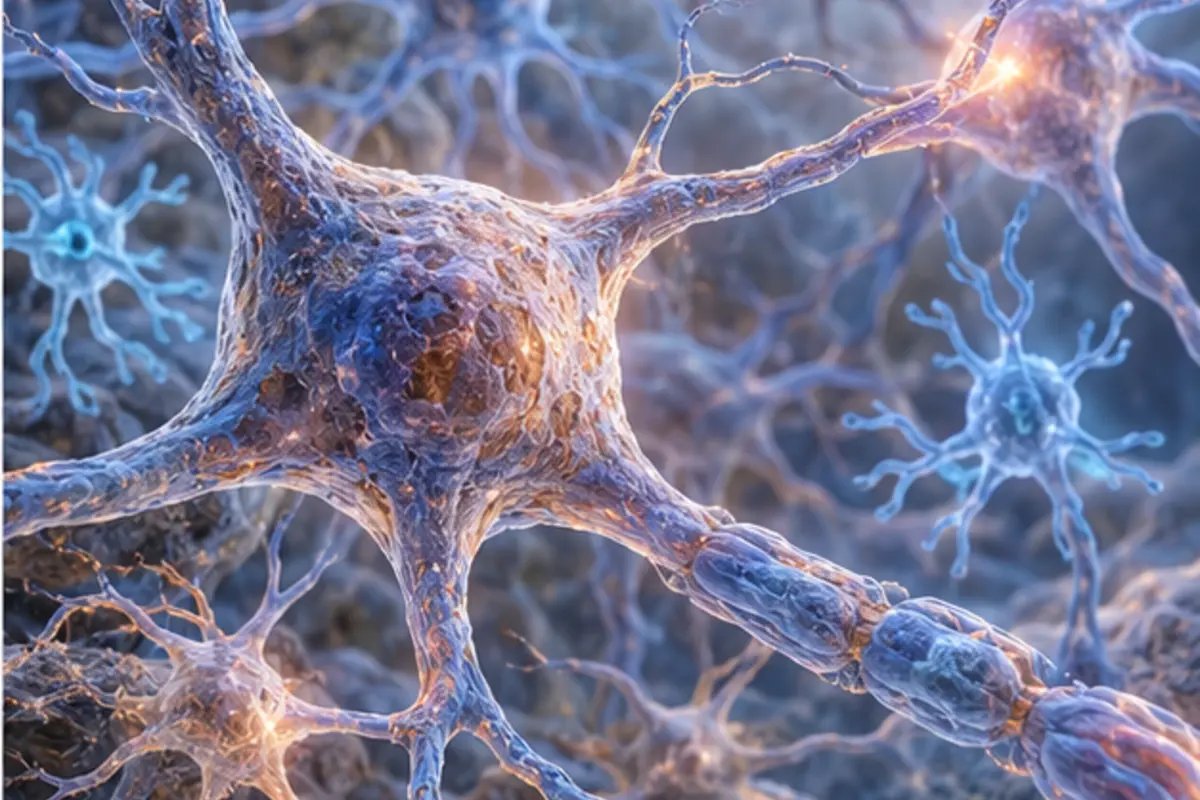
Research explores whether EDR can interact with DNA-associated processes and alter selected neuronal gene expression.
WHAT THE RESEARCH SAYS
Molecular effects have not been connected to a validated clinical endpoint or human dose-response.
Evidence so farMechanistic evidence
Brain-ageing interest
The peptide is discussed as a short bioregulator for age-related cognitive resilience.
WHAT THE RESEARCH SAYS
The ageing narrative relies on preclinical and regional literature rather than modern controlled human outcomes.
Evidence so farPredominantly preclinical evidence
Interest first. Evidence next.We start with why people are talking about Pinealon, then show what the research actually supports so you can see the full picture.
HOW TO READ THE RESEARCH STORY
A precisely defined tripeptide before the human translation step
Pinealon connects oxidative-stress, behaviour and gene-regulation experiments. The evidence stops before the question most users ask: whether a short course improves cognition or ageing outcomes in people.
EDR
01EDR sequence
Glu-Asp-Arg tripeptide
→
02Cell stress
ROS, viability and signalling experiments
→
03Animal cognition
Specialised developmental and ageing models
→
04Human gap
No controlled dose-finding or efficacy programme
WHAT PRECLINICAL RESEARCH IS EXPLORING
A three-amino-acid neural-stress story waiting for a human trial
Pinealon's EDR sequence is precise, and its cell and animal questions are testable. What is missing is the bridge to people: pharmacokinetics, route comparison, dose-finding and controlled cognitive outcomes.
01
Oxidative stress
Cell experiments report changes in reactive oxygen accumulation, viability and ERK-related signalling.
02
Learning models
Rodent studies examine behaviour after developmental, metabolic, hypoxic and thermal stress.
03
Gene regulation
Molecular research explores DNA-associated interactions and selected neuronal gene-expression effects.
04
Human boundary
No modern controlled Pinealon trial establishes memory, sleep, neuroprotection or healthy-ageing benefit in people.
RESEARCH LANDSCAPEEDR · oxidative stress · cognition · human gap
No modern controlled human Pinealon treatment trial was identified.
✓
Clinical efficacyEarly
1/5 evidence depth
Memory, sleep, neuroprotection and anti-ageing efficacy are not established in people.
◇
Safety evidenceEarly
1/5 evidence depth
Human pharmacokinetics, route-specific exposure, interactions and long-term safety are not adequately characterised.
⌁
Preclinical evidenceDeveloping
3/5 evidence depth
Several cell and rodent studies support oxidative-stress, cognition and gene-regulation hypotheses.
HOW TO READ THESE SCORESDeveloping preclinical evidence · early human evidence
These are editorial evidence-depth ratings on a 1–5 scale, not a statistical result or a single scientific formula. They summarise how much relevant evidence is present in each separate category and how mature that evidence is.
Human evidenceHow much direct research in people is available and how developed it is.
Clinical efficacyWhether human studies demonstrate meaningful outcomes for the claims being discussed.
Safety evidenceHow much human safety, tolerability and longer-term follow-up information is available.
Preclinical evidenceThe depth of laboratory and animal research supporting biological plausibility.
A measured biological response can be valuable evidence without establishing a self-administered protocol or a durable treatment benefit.
From promising signals to human evidencePreclinical research can reveal promising biological signals. Human studies show how far those signals have translated into real-world outcomes.
What people are exploring
PEOPLE & EXPERIENCE
Why people are exploring Pinealon
Memory, mental clarity and healthy brain ageing—mapped against cell and animal research with no modern controlled human treatment programme.
Community goals · preclinical signals · human-evidence gap
Why this matters
Pinealon is explored for memory, mental clarity, sleep and healthy brain ageing. Those goals are understandable, but the direct evidence consists mainly of cell and rodent studies rather than human treatment outcomes.
Experiences can reveal recurring goals, perceived changes and practical questions that formal studies may not yet address. They can suggest what deserves investigation, but cannot isolate the effect of one compound from rehabilitation, time or other changes.
+
⌁WHAT RESEARCH ADDSScientific context
Human and preclinical research helps test whether an idea is biologically plausible, whether it appears in people and how confidently the result can be separated from chance, bias or other parts of recovery.
01Frequently discussed
Frequently discussedPositive interest with important uncertainty
Memory and learning
This is the most common practical goal, with people looking for better recall or easier learning over a brief course.
HUMAN EVIDENCE
No controlled human Pinealon trial establishes memory benefit.
A recognizable tradition-based pattern, not a clinically validated protocol.
◇
Experience can start the question. Research has to test it.
Community reports can surface patterns worth exploring. Controlled human research is what tests whether those patterns are reliable, clinically meaningful and attributable toPinealon, while the available studies show how far that question has already been answered.
Dose & duration
DOSE & DURATION
See the numbers in their proper context
Compare published study protocols with the patterns people discuss in the community. The two are intentionally kept separate so an anecdotal routine is never mistaken for clinical guidance.
Research protocols · community patterns · calculator tools
Research dose ≠ recommendation. A dose used in a study describes that study only and does not establish an appropriate dose for an individual outside the research setting.
ONE ANECDOTAL COMMUNITY EXAMPLE
A short-course tradition without a human dose-finding study
This example reflects recurring community descriptions. Pinealon has no controlled human pharmacokinetic or efficacy programme from which to derive the amount, route or repeat interval.
ANECDOTAL · UNVALIDATED
1Days 1–3
10 mg · once daily
Anecdotal starting amount
2Days 4–10
10 mg / day
No evidence-led reason to escalate
3Days 11–20
Continue or stop
Course length varies in descriptions
4After course
Long pause & review
No validated repeat schedule
What people commonly discuss10 mg daily for 10–20 days is a frequently repeated anecdotal course; oral, nasal and injected descriptions are not equivalent.
What remains unvalidatedHuman exposure, dose-response, cognitive benefit, long-term safety and any one-to-three-month break remain unvalidated.
◎
ROUTE & DELIVERYRoute changes exposure—and none is established
A milligram amount taken orally cannot be treated as equivalent to nasal or injected delivery. Product purity and concentration add separate uncertainty.
PROFESSIONAL SOURCE CONTEXT
The source shows what has actually been studied. It does not validate the community example above or turn it into guidance.
No validated human Pinealon dose, route, titration schedule or maintenance course has been established.
No structured human dosing protocol has been added for this compound. That should not be interpreted as evidence for a community dosing schedule.
COMMUNITY DISCUSSION
What people commonly discuss
Anecdotal / unvalidated · no controlled human dose-finding trial
STARTING APPROACHES
Community and longevity-clinic summaries commonly describe 10 mg daily; some divide the amount across one or two uses.
DURATION / CYCLES
Short 10–20-day courses are frequently repeated in anecdotal protocols rather than continuous use.
MAINTENANCE DISCUSSION
A one-to-three-month pause is sometimes described, but no evidence-based break or repeat-course interval exists.
Community patterns are anecdotal and unvalidated unless a linked human study independently supports the same approach.
Often combined with
OFTEN COMBINED WITH
Why people explore pairings with Pinealon
See the thinking behind community-named stacks, the different role each component is proposed to play, and how much of that idea has actually been tested as a combination.
Community rationale · component roles · evidence boundary
Potential first, evidence in context. Pairings are usually explored because their research stories appear complementary. That makes them interesting to study, but does not yet prove extra benefit or safety.
CURRENT COMPOUNDPinealon
→
OFTEN EXPLORED WITHPinealon + Epitalon
Pinealon + Epitalon
→
OFTEN EXPLORED WITHPinealon + Semax
Pinealon + Semax
→
OFTEN EXPLORED WITHPinealon + cognitive-health plan
Pinealon + Sleep, hearing, mood and medication assessment
Combination-specific human research is the strongest evidence for what a pairing adds. Evidence for either ingredient alone should not be silently transferred to the combination.
PPINEALON IS USUALLY DISCUSSED AROUNDEDR, oxidative stress and preclinical cognition hypotheses
Cell and rodent work motivates interest, but no modern human trial establishes a cognitive or healthy-ageing effect.
+
PTHE PAIRED APPROACH MAY ADDCircadian bioregulators or a more acute nootropic narrative
Epitalon and Semax are discussed for different reasons; combining narratives does not create a tested benefit.
Memory change, poor sleep, low mood and medication effects require different assessment.
02Do not merge preclinical signals
Separate animal studies cannot demonstrate synergy in people.
03Use one change at a time
Multiple neuroactive products make both benefit and adverse effects difficult to interpret.
Safety context
◇
SAFETY & UNCERTAINTY
The main safety problem is how little human exposure information exists
01ENCOURAGING CONTEXTThe EDR sequence is precise and experimentally testable
Peer-reviewed cell and rodent studies give the neural-stress and cognition hypotheses a real research foundation.
02THE IMPORTANT BOUNDARYNo controlled human benefit has been demonstrated
Animal learning or cell-viability changes cannot establish better memory, sleep or healthy ageing in people.
03WHAT REMAINS UNKNOWNAlmost the entire human safety profile
Pharmacokinetics, bioavailability, dose-response, interactions, long-term neurological effects and repeat-course safety are not adequately characterised.
What the current evidence saysA tripeptide can sound simple, but product identity, purity, route, bioavailability and neurological interactions remain separate questions. New or worsening cognitive symptoms, focal neurological signs, seizures, severe headache or marked mood change require clinical assessment rather than continued experimentation.
01 · OBSERVEDPublished safety findings
The summary above reflects the human or preclinical evidence currently represented on this profile.
02 · UNCERTAINGaps still matter
Limited follow-up, small studies or absent controlled trials can leave uncommon and longer-term risks unresolved.
03 · CONTEXTProduct and regulatory status
Route, product identity, quality and regulatory status can materially change the safety context; see the linked status sources below.
COGNITIVE SYMPTOMSLook for treatable causes
Sleep disorders, hearing problems, depression, thyroid disease, medication effects and neurological illness can all affect memory.
ROUTE & PRODUCTSimple sequence does not mean simple exposure
Oral, nasal and injected products are not equivalent, and identity, concentration and contamination remain product-level risks.